
Why West Ham Are Called
The Hammers.
Two nicknames, one industrial origin, and a detail that surprises most people — the Hammers have nothing to do with West Ham the name. The story starts on the banks of the Thames in 1895, with rivet hammers, iron ships, and a works football team.
West Ham United are called the Hammers. Their supporters chant “Come on you Irons.” The badge shows two crossed hammers. And almost none of this has anything to do with the words West Ham.
If you assumed, reasonably enough, that a club called West Ham might be nicknamed the Hammers because of the “ham” in their name, you would be wrong — and you would be in excellent company, because this particular misunderstanding has been going on for over a century.
The actual explanation is more interesting, more industrial, and considerably more East London than a piece of wordplay could ever be.
The story begins not with West Ham United but with a company — the Thames Ironworks and Shipbuilding Company, one of the last great shipbuilders working on the River Thames in the Victorian era.
Its yard at Canning Town on the north bank of the Thames built warships, cargo vessels, and some of the most significant maritime craft of the age. Its workers were platers, riveters, and ironworkers, men who spent their days hammering metal into shape on the banks of the river.
In 1895, the company’s owner decided they should also have a football club.
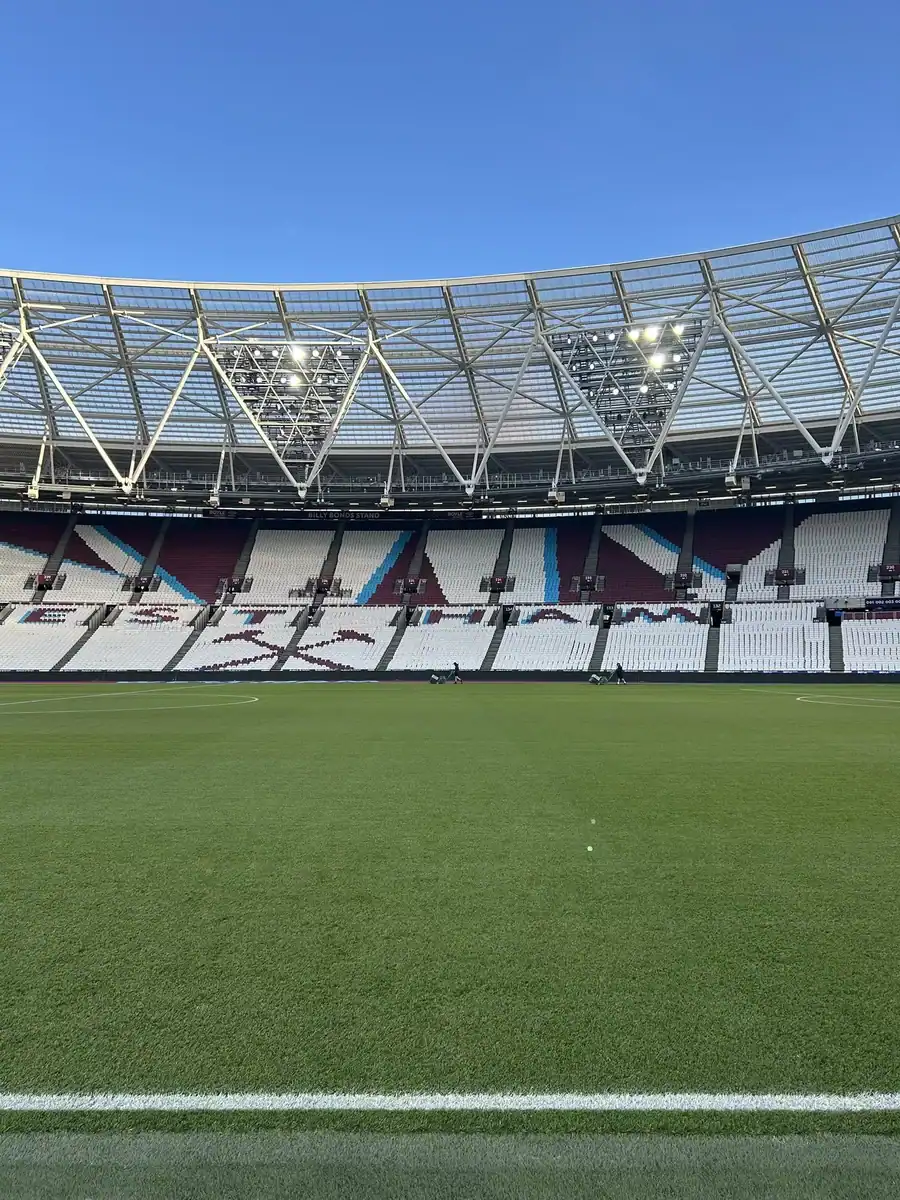
Arnold Hills and the Works Team
The man behind Thames Ironworks FC was Arnold Hills, a wealthy industrialist, Oxford-educated athlete, and committed temperance campaigner who saw football as a way of binding his workforce together and keeping them out of the pub.
Hills was a genuine sporting idealist — he had run for England in the 1880s and believed in the improving power of athletics, and so, wanted his workers to have something worth doing with their evenings and weekends.
The club he helped establish in 1895 was intended to be strictly amateur, a team drawn entirely from men who worked in the ironworks itself.
That principle lasted approximately three years before the realities of competitive football overcame Hills’s idealism, and the club turned professional in 1898. Hills was not pleased though, and withdrew his financial backing, the club fell into difficulty, and in June 1900 Thames Ironworks FC formally disbanded.In the summer of 1895, when the clanging of hammers was heard on the banks of Father Thames and the great warships were rearing their heads above the Victoria Dock Road, a few enthusiasts, with the love of football within them, were talking about the grand old game and the formation of a club for the workers of the Thames Iron Works Limited.
Syd King, Thames Ironworks player, on the club’s founding
That lasted for only a few weeks. The players and supporters who had built something from nothing were not prepared to let it disappear, and in July 1900 the club reformed under a new name — West Ham United — taking the name of the London district in which their new ground was located rather than the company that had originally created them.
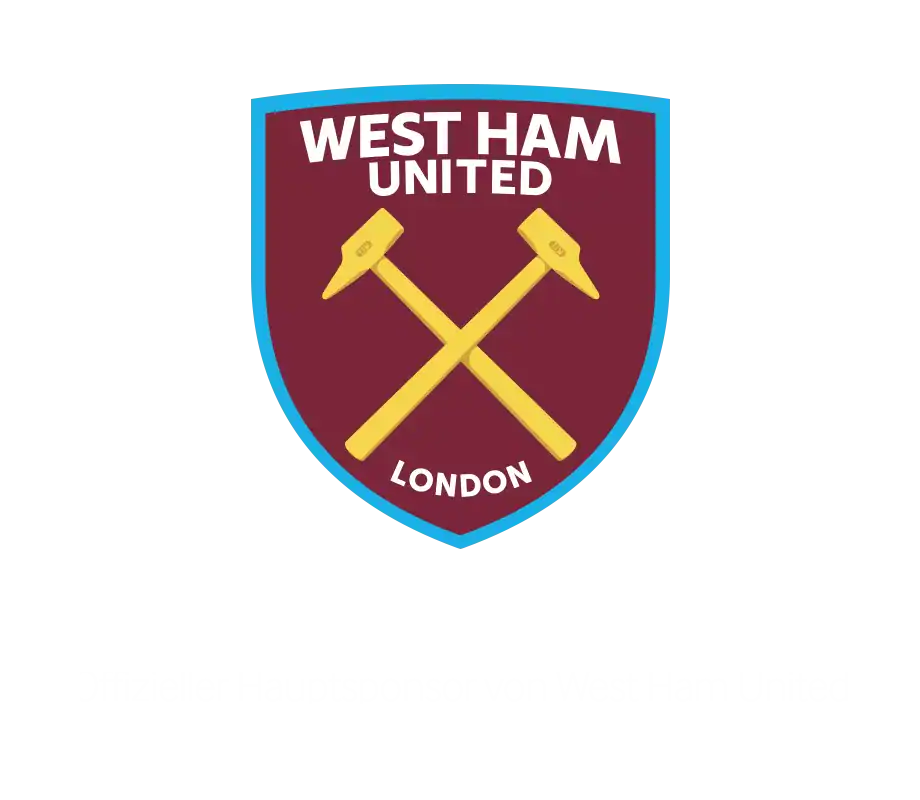
The crossed rivet hammers, the tools of the ironworkers’ trade, remained on the badge. They have been there ever since.
The Hammers: It’s the Badge, Not the Name
This is the detail that perhaps catches people out. The Hammers nickname does not derive from the word Ham in West Ham. It derives from the two crossed rivet hammers that have featured on the club badge almost continuously since the Thames Ironworks days.
A rivet hammer was, of course, the tool used by ironworkers to drive rivets into metal plates — the sound of hammering on the banks of the Thames was the sound of ships being built, and the hammers on the badge were a direct reference to the trade of the men who founded the club.
When the press and the public started calling West Ham United the Hammers, they were not making a pun on the club’s location. They were looking at the badge and naming what they saw. The fact that “Hammers” and “West Ham” happen to share a syllable is a coincidence — a convenient one, certainly, but a coincidence nonetheless.
The Irons: The Older Name, the Truer One
Among supporters of a certain generation, the Irons is the preferred nickname — and it has the stronger claim to authenticity.
It traces directly back to the Thames Ironworks, the company name, and the industrial identity of the men who first played and watched the club. “Come on you Irons” was being bellowed from the terraces before the club even changed its name, and it has never stopped.
So there seems to be an interesting generational split in which nickname gets used.
Older supporters tend to use the Irons. Younger supporters, and those who came to the club through television and broader media coverage, are more likely to say the Hammers.
Neither is wrong — both nicknames are official, both are genuinely used, and both trace back to the same industrial source. But for many longtime fans, the Irons carries something the Hammers does not: a direct line back to the workers who stood in the yard and hammered iron into ships, before football was even part of the picture.
West Ham United were founded in 1895 as Thames Ironworks FC by company owner Arnold Hills and foreman Dave Taylor — making them 131 years old in 2026.
The club disbanded and reformed within five weeks in 1900, taking the name West Ham United from the London district of their new ground.
The crossed-rivet hammers have featured on the club badge almost every year since the Thames Ironworks era — they refer to the tools of the trade, not the club’s name.
Three members of England’s 1966 World Cup winning side — Bobby Moore, Geoff Hurst, and Martin Peters — were West Ham players, earning the club the enduring tag of the Academy of Football.
West Ham were relegated from the Premier League in 2025-26, ending a run of top-flight football that stretched back to 2012.

Bubbles, Hammers, and What Survives a Relegation
West Ham’s identity has always rested on more than their league position. The club carries an unusually dense mythology for a side that has won relatively little — the Academy of Football reputation built on Moore, Hurst, and Peters; the soap-bubble anthem I’m Forever Blowing Bubbles, adopted in the 1920s and sung at every home game since; the fierce and complicated relationship with Upton Park, the Boleyn Ground, their home for over a century before the move to the London Stadium in 2016.
The move to the Olympic Stadium remains contested among supporters, a wound that has not fully healed. But the Hammers have been the Hammers in two different postcodes now, and the crossed rivet hammers on the badge look the same at the London Stadium as they did at Upton Park, as they did at the Memorial Grounds in Canning Town where Thames Ironworks played their first home matches in 1897.
That continuity matters. The club that Arnold Hills founded as a works team for ironworkers, and that his ironworkers rebuilt when he walked away, has been through enough in 131 years to put a relegation in perspective.
The Hammers were named for the tools of men who built ships on the Thames. The ships are long gone. The hammers are still there.
Previously: Why West Brom are called the Baggies — a thrush on a crossbar, money bags along the touchline, and an insult from Villa fans.
Next: Coming soon.

John Herman is a Leeds-based, would-be football writer and founder of Football Nonsense. Blending fan passion with sharp opinion, attempting to tackle the game’s biggest debates, from the terraces to the boardroom, with honesty, (attempted) humour, and heart.